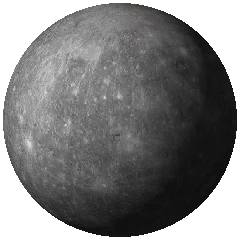
 01 / Rocky planet
Mercury
Impact basins scar a rocky surface beneath an extremely thin exosphere.
Explore the Solar System Like Never Before.
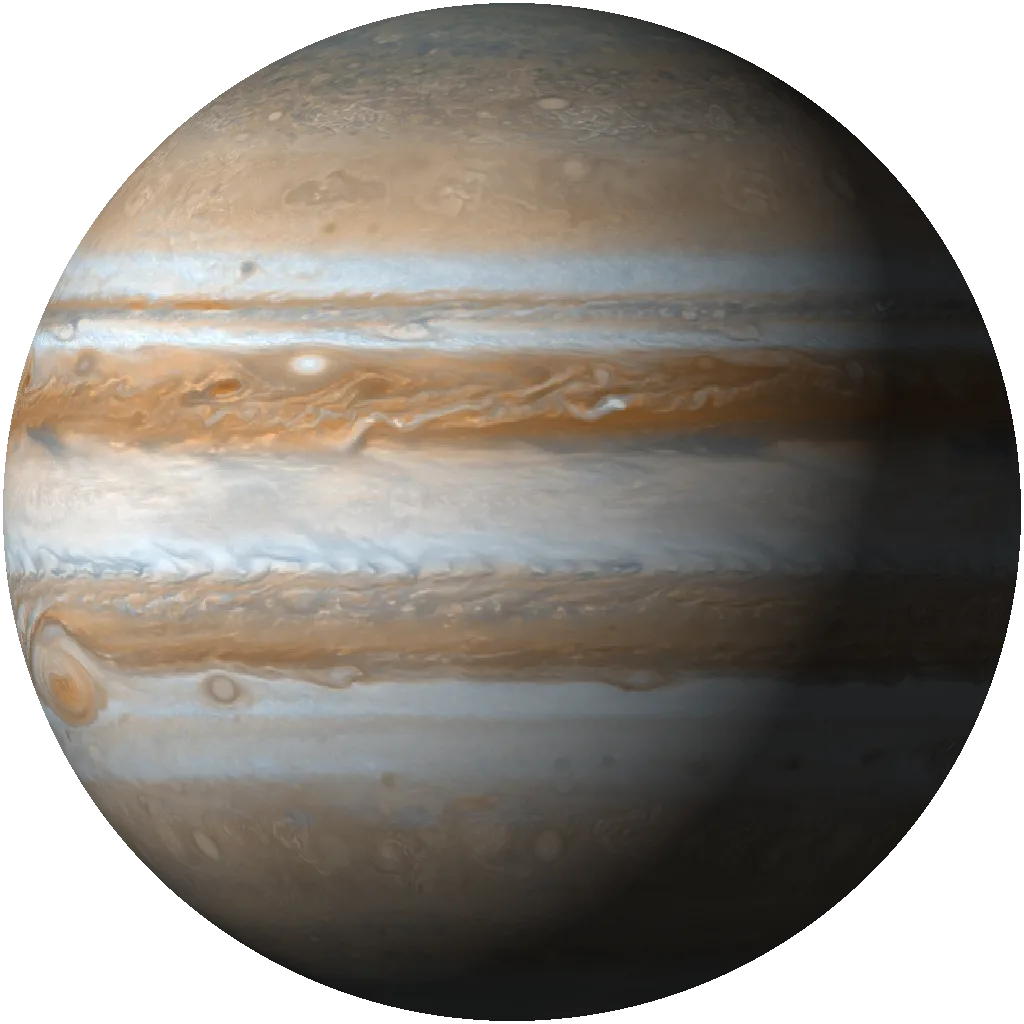
Travel from the inner planets to the ice giants. Choose a world to fly alongside it.
Cinematic spacing compresses the outer system. Body sizes and moon paths are exaggerated. 1× advances one simulated hour per second.
Start at the Sun or choose a planet to follow it. Drag to orbit the target and pinch or scroll to zoom. The selection list works with a keyboard.
NASA solar guide ↗01 / Rocky planetImpact basins scar a rocky surface beneath an extremely thin exosphere.
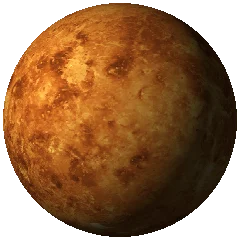 02 / Rocky planet
Sulfuric acid clouds conceal a rocky surface beneath a dense carbon dioxide atmosphere.
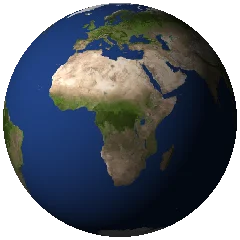 03 / Rocky planet
Liquid-water oceans and active plate tectonics continually reshape the surface.
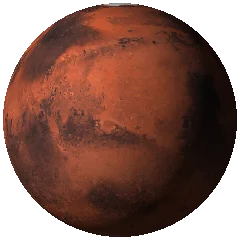 04 / Rocky planet
Iron oxides color the soil. Dry channels preserve evidence of ancient flowing water.
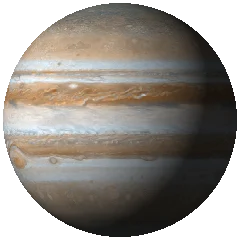 05 / Gas giant
Cloud belts trace winds in a deep hydrogen and helium atmosphere.
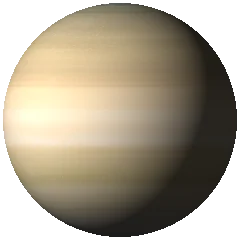 06 / Gas giant
Water ice dominates the broad rings. Their gaps record gravitational interactions with moons.
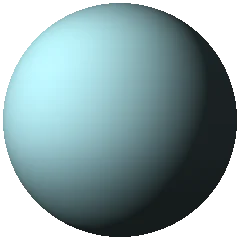 07 / Ice giant
Methane absorbs red light. The planet’s spin axis lies close to its orbital plane.
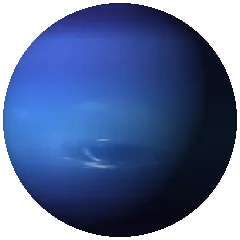 08 / Ice giant
High-altitude clouds and fast winds trace a dynamic, methane-bearing atmosphere.
| Measure | Earth | Jupiter |
|---|---|---|
| Equatorial diameter (km) | 12,756 | 142,984 |
| Gravity (m/s²) | 9.8 | 24.79 |
| Year (Earth days) | 365.256 | 4,332.59 |
Gravity for giant planets is given at a reference atmospheric level. JPL physical parameters ↗
Gravity bends a planet’s forward motion around the Sun. A planet moves faster near perihelion. For a small body orbiting the Sun, Kepler’s third law relates its orbital size to its year.
Planet and lunar maps adapted from Solar System Scope under CC BY 4.0. These interpretive maps combine observations and artwork. Other moons use schematic materials.
JPL planetary orbit model · Satellite orbital elements · Satellite physical parameters